

Heart disease and kidney disease represent two of the most significant public health challenges globally. They are leading causes of morbidity, mortality, and escalating healthcare costs worldwide. Cardiovascular diseases (CVD), encompassing conditions like coronary artery disease, heart failure, stroke, and hypertension, remain the number one killer globally. Chronic kidney disease (CKD), often progressing silently, affects an estimated 10% of the global population, placing an immense burden on individuals, families, and healthcare systems, particularly as it progresses to end-stage renal disease (ESRD) requiring dialysis or transplantation.
A crucial, yet often underappreciated, aspect linking these conditions is their insidious onset and progression. In their early stages, both heart and kidney diseases can be largely asymptomatic, lulling individuals into a false sense of security while irreversible damage accrues silently within the body. By the time symptoms like chest pain, shortness of breath, extreme fatigue, or significant swelling become apparent, the underlying disease process is often considerably advanced, limiting treatment options and diminishing the potential for a full recovery or optimal long-term health.
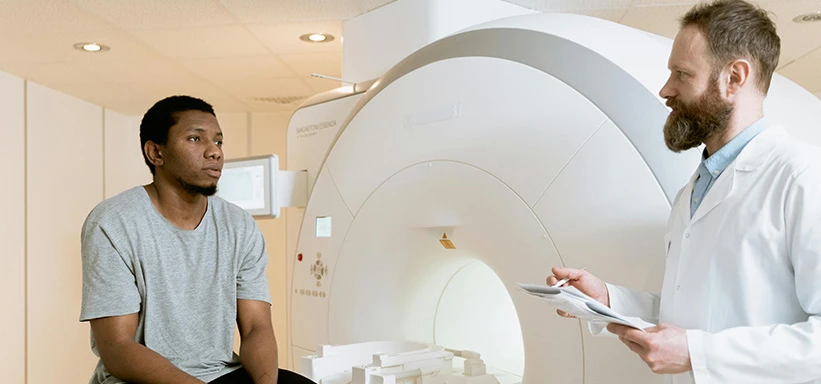
The Silent Epidemic
Furthermore, these two organ systems are intricately connected through complex physiological pathways, often referred to as the “cardiorenal syndrome.” Dysfunction in one organ frequently precipitates or exacerbates dysfunction in the other, creating a vicious cycle of decline. This interconnectedness underscores the critical importance of a holistic approach to health, where protecting the heart involves protecting the kidneys, and vice versa.
It is within this context that early detection emerges not merely as a beneficial strategy, but as a cornerstone of effective management and prevention. Identifying these diseases, or even significant risk factors for them, at their nascent stages unlocks a crucial window of opportunity. Early detection allows for timely interventions – ranging from lifestyle modifications to pharmacological therapies – that can slow or halt disease progression, prevent debilitating complications, preserve organ function, improve quality of life, increase longevity, and significantly reduce the immense personal and societal costs associated with advanced disease. This exploration delves into the multifaceted reasons why early detection is fundamentally vital in combating the devastating impact of heart and kidney diseases.
Understanding Heart Disease and the Imperative for Early Identification
Heart disease is not a single entity but an umbrella term for various conditions affecting the heart and blood vessels. Key examples include:
The company needed to complete a complex migration on a tight deadline to avoid millions of dollars in post-contract fees and fines. Lorem ipsum dolor sit amet, consectetur adipiscing elit. Aenean fermentum lacinia felis et dapibus.
Heather Smith – Quote
1. Coronary Artery Disease (CAD)
- The most common type, caused by atherosclerosis – the buildup of plaque (cholesterol, fat, calcium, other substances) in the arteries supplying blood to the heart muscle. This narrows the arteries, reducing blood flow (ischemia).
- Silent Progression: Plaque buildup can occur over decades without symptoms. The first sign might be angina (chest pain) during exertion, or tragically, a sudden heart attack (myocardial infarction) when a plaque ruptures and forms a clot, completely blocking an artery.
- Why Early Detection Matters: Identifying atherosclerosis or significant risk factors before a major event allows for interventions like statins (to lower cholesterol and stabilize plaques), aspirin (to prevent clots), blood pressure control, and lifestyle changes (diet, exercise, smoking cessation). These measures can slow plaque growth, prevent rupture, and dramatically reduce the risk of heart attack, stroke, and premature death. Detecting significant blockages early via stress tests or imaging can also guide decisions about revascularization procedures (stents, bypass surgery) before extensive heart muscle damage occurs.
2. Hypertension (High Blood Pressure)
- Persistently elevated pressure in the arteries. Often called the “silent killer” because it typically has no symptoms until significant damage has occurred.
- Silent Progression: Uncontrolled hypertension gradually damages blood vessels throughout the body, including those in the heart, brain, kidneys, and eyes. It forces the heart to work harder, leading to thickening of the heart muscle (left ventricular hypertrophy – LVH), which is a precursor to heart failure. It accelerates atherosclerosis.
- Persistently elevated pressure in the arteries. Often called the “silent killer” because it typically has no symptoms until significant damage has occurred.
Symptoms of Lower Back Pain
Maecenas vestibulum iaculis orci. In ut cursus lectus. Nullam semper vel ante at imperdiet. Quisque posuere vitae sem ac elementum. Sed a commodo mauris. Aliquam blandit, turpis ut faucibus consequat, augue tellus aliquet metus, eu posuere nibh risus et sapien. Morbi sit amet lorem auctor lacus efficitur ornare.


Maecenas vestibulum iaculis orci. In ut cursus lectus. Nullam semper vel ante at imperdiet. Quisque posuere vitae sem ac elementum. Sed a commodo mauris. Aliquam blandit, turpis ut faucibus consequat, augue tellus aliquet metus, eu posuere nibh risus et sapien. Morbi sit amet lorem auctor lacus efficitur ornare.
Phasellus interdum enim erat, sed viverra leo viverra vel. Donec vel dictum mauris, eu gravida arcu. Sed finibus finibus felis in facilisis. Maecenas nec justo et purus gravida consectetur. Ut pharetra, dui a vulputate ultrices, nisi lacus imperdiet urna, vel luctus ante lectus non ipsum. Pellentesque non tortor nec odio egestas placerat eget sit amet ex.Vestibulum elit nulla, facilisis et felis sed, egestas faucibus lorem.